


Allergic asthma affects breathing and can be triggered by pollen and dust mites. Learn about the symptoms, causes and effective measures to control attacks.
Allergic asthma is a respiratory condition characterised by chronic inflammation of the airways of the lungs. It manifests through marked respiratory symptoms, driven by bronchial hyperreactivity to various common allergens that are harmless to most of the population.
In Portugal, the Portuguese National Asthma Survey (INAsma) estimated that around 7% of the population (6.8%) has current asthma. Allergic asthma is the most common asthma phenotype and, on average, it begins earlier than non-allergic asthma, according to a scientific review.
Clinically, it presents as recurrent episodes of “shortness of breath”, wheezing (a whistling sound in the chest), chest tightness or coughing. The intensity of symptoms varies: it can be mild, moderate or severe. Quality of life is affected to varying degrees, depending on the intensity and frequency of the episodes.
It is important to recognise the symptoms of allergic asthma in order to prevent, minimise and manage attacks effectively. In this article, you will learn how the disease manifests itself, how it is diagnosed and treated, and what measures you can take at home to reduce your exposure to allergens.
What is allergic asthma?
It is a type of asthma in which there is an “allergic” response to certain substances present in the air. There are other types of asthma, triggered by different stimuli, such as:
- physical exercise;
- emotional sensitivity;
- reactivity to medicines;
- viral infections;
- cold air, among others.


Allergic asthma and allergic rhinitis share many mechanisms and often occur in the same person, as described in a 2022 scientific review. In both cases, flare-ups can be triggered by exposure to airborne allergens.
Besides allergens, SNS 24, the Portuguese National Health Service information line, lists pollution, tobacco smoke and exposure to irritants (vapours, gases and fumes) as factors that contribute to asthma.
What are the most common allergens?
In outdoor air
- pollens;
- air pollutants (from traffic, industrial areas and fires).
In Portugal, the pollen bulletins of the Portuguese Aerobiology Network, run by SPAIC, highlight in spring and early summer pollen from trees such as the olive and from herbaceous plants such as grasses and the nettle family (Urticaceae, which includes parietaria).
In indoor air
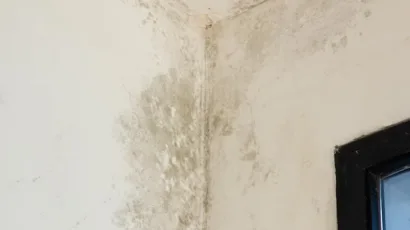
- fungal and mould spores (in warm, humid environments with insufficient air renewal);
- dust and biological particles (dust mite droppings, insect debris);
- hair and skin flakes from pets;
- chemical irritants, which can worsen symptoms (tobacco smoke, sprays and aerosols, and cleaning products that are heavily chlorinated, ammonia-based or strongly scented).
House dust mites are concentrated mainly in the mattress and the bedroom, but also in pillows, duvets, upholstered sofas, carpets and rugs. They need relatively high humidity and temperature and, according to SPAIC (the Portuguese Society of Allergology and Clinical Immunology), the mattress is the main source of house dust mites. That is why the bedroom deserves special attention.

What happens in the bronchi during an attack?
During an asthma attack, the diameter of the bronchioles (small airways) narrows due to reactivity to stimuli that “irritate” the respiratory mucosa. This causes:
- spasms (contraction) of the small muscles surrounding the bronchioles;
- hypersecretion of mucus;
- oedema of the bronchial mucosa.
Together, these factors obstruct the flow of air and cause the sensation of “shortness of breath” and chest pain.
Continuous exposure to allergens can worsen the inflammation and make it chronic, causing structural damage followed by remodelling of the airways, which progressively become more susceptible to attacks.
As the allergic profile varies from person to person, an accurate diagnosis and a preventive and therapeutic plan suited to each case are important. This may require follow-up by an allergist, specialised in the effective management of the different types of allergic asthma.
Allergic asthma symptoms
The main symptoms of allergic asthma are:
- wheezing (a whistling sound in the chest);
- difficulty breathing (feeling short of breath);
- a feeling of tightness or pain in the chest;
- persistent dry cough.
Symptoms tend to worsen at night and in the early hours of the morning, according to SNS 24, and after exposure to a known allergen: when dusting, in contact with an animal or on high-pollen days.
Intermittent or persistent asthma
Asthma can be classified as intermittent or persistent, and persistent asthma can be mild, moderate or severe, depending on the intensity and/or frequency of symptoms. In some cases, allergic asthma changes from intermittent to persistent.
- Mild cases: wheezing and coughing occur sporadically and without much impact on daily life.
- Moderate cases: breathing difficulty is more marked and can limit daily activities and disrupt sleep.
- Severe cases: dyspnoea (shortness of breath) becomes intense and/or persistent, and asthma attacks requiring urgent medical intervention may occur.


Warning signs: when to seek urgent help
Go to an emergency department immediately or call 112 (European emergency number) if you notice any of these signs of a severe attack:
- difficulty speaking, managing only single words;
- bluish lips or face;
- severe shortness of breath even at rest, or very rapid breathing, using the neck muscles and the muscles between the ribs to breathe;
- no improvement after using your reliever inhaler as set out in your action plan, or feeling worse at any time;
- drowsiness or confusion.
If in doubt, contact your country’s health helpline (in Portugal, SNS 24: 808 24 24 24).
How is allergic asthma diagnosed?
The diagnosis of allergic asthma requires medical assessment, as there is great variability in the conditions and factors that shape each clinical case. According to the APMGF guide (Portuguese Association of General and Family Medicine), the diagnosis is essentially clinical, based on identifying typical symptoms (breathlessness, wheezing, cough or a feeling of chest tightness), and it is confirmed by tests showing variable airflow limitation.
The diagnosis is supported by complementary tests:
- lung function tests (spirometry and others), which assess lung function and identify limitations in airflow;
- bronchial challenge tests (for example, with methacholine) or exercise tests, which assess how reactive the airways are;
- a bronchodilator reversibility test, which checks whether airflow obstruction improves after a bronchodilator;
- skin allergy tests (skin prick test) or blood tests (specific IgE), which confirm the allergens to which the person is sensitised.
Allergic asthma, chronic bronchitis or COPD?
To ensure appropriate and effective treatment, it is essential to distinguish allergic asthma from other respiratory diseases, such as:
- Chronic bronchitis: a chronic cough with phlegm, resulting from inflammation of the airways.
- Chronic Obstructive Pulmonary Disease (COPD): besides tobacco, it can be linked to occupational exposure to dusts, fumes or chemicals. As it progresses, breathlessness makes daily activities increasingly difficult and, according to the WHO, COPD is not curable.
Allergic asthma treatment
Despite significant improvements in recent decades, allergic asthma treatment remains challenging. Optimal asthma control requires appropriate pharmacological interventions, adapted to the clinical context and to the needs and characteristics of each patient, as well as the implementation of measures that prevent attacks from being triggered.
What to take for allergic asthma?
There are several therapeutic options for asthma control, organised according to levels of clinical severity. The medicines used to treat asthma fall into two classes:
- Controller medication: used to reduce inflammation, control symptoms and lower the future risk of flare-ups and of decline in lung function.
- Reliever medication: to relieve symptoms during flare-ups or when asthma worsens.


The most commonly used medicines are bronchodilators and inhaled corticosteroids, which are key to relieving symptoms and controlling airway inflammation. When inhalers are not enough, the doctor may add other medicines, such as montelukast, and, in uncontrolled severe asthma, injectable biological therapies.
Never start, change or stop medication without medical advice, even if your symptoms improve.
Immunotherapy: allergy “vaccines”
As with allergic rhinitis, allergen immunotherapy is a long-term treatment option. These allergy “vaccines” are given over several years (usually 3 to 5) and aim to make the body react less to specific allergens. According to SPAIC, they may be indicated for selected patients with rhinitis, asthma or atopic eczema.
What to do during an asthma attack
When an acute asthma attack occurs, it is essential to act quickly: sit up straight, try to stay calm and use your reliever inhaler as set out in the action plan agreed with your doctor, as the NHS recommends. If the attack persists or worsens, seek emergency medical care (review the warning signs above).
Regular medical follow-up is essential to keep symptoms under control, preserve lung function and detect adverse effects of treatment. For treatment to succeed, an educational component is also essential: people with asthma must adhere to their treatment and learn the correct inhaler technique.
Prevention: how to control allergic asthma in everyday life
There is a close relationship between allergic asthma and allergic rhinitis. Over 80% of people with asthma have allergic rhinitis and up to 40% of people with allergic rhinitis also have asthma. Allergic rhinitis is also associated with a higher risk of developing asthma. This is why some preventive measures are common to both conditions.
The measures to control allergic asthma are preventive and guided, case by case, by the medical diagnosis. In general terms, they focus on reducing exposure to the factors that trigger attacks and on strengthening respiratory health. There are two key groups of preventive measures:
Reducing contact with allergens
Respiratory measures involve reducing contact with allergenic agents:
- Air indoor spaces every day and, whenever possible, let sunlight into the bedroom and onto bedding: according to SPAIC, ultraviolet radiation and lower humidity reduce dust mite survival.
- Correct humidity and eliminate mould and fungi. SPAIC recommends keeping relative humidity below 50% to reduce the growth of dust mites and fungi: a simple hygrometer helps you monitor this value.
- Clean the house and wash bedding frequently to reduce dust mites and dust. SPAIC recommends washing sheets, pillowcases and duvets regularly at 60 °C (the US Environmental Protection Agency (EPA) points to washing sheets weekly) and vacuuming the house, especially the bedroom and mattress, at least twice a week. Vacuum cleaners with HEPA filters have been shown to reduce the concentration of dust mites, fungi and pet allergens.
- Reduce materials that accumulate dust (curtains, carpets, rugs and fabric sofas), choose duvets and pillows made of synthetic fibres and use anti-mite covers on mattresses and pillows, which SPAIC considers effective in controlling these allergens.
- Keep pets away or, at the very least, out of the bedroom.
- Consider an indoor air purifier with a HEPA filter as a complementary measure: according to the EPA, several studies with portable HEPA air cleaners have found improvements in one or more allergy or asthma symptoms, although not always major ones.
- If you are sensitive to pollen: keep windows closed during the pollen season and plan your outings according to the pollen bulletins from the Rede Portuguesa de Aerobiologia (Portuguese Aerobiology Network).
- In the case of occupational asthma: adopt mitigation and protection measures in the workplace.
Diet and gut health
Dietary and digestive measures are still an area of research: a 2021 clinical trial suggests that certain probiotics, added to usual treatment, may help relieve asthma symptoms, but the evidence is still limited. You can read more in the corresponding section of the article Allergic Rhinitis: What It Is, Causes, Symptoms, Prevention and Treatment.


Physical exercise and breathing capacity
Alongside preventive measures, regular physical exercise is recommended. According to SNS 24, people with asthma can (and should) do sport: swimming, walking or rowing help develop the breathing muscles. Warm up gradually, always keep your inhaler close at hand and avoid exercising in very cold, dry or polluted air. If exercise triggers your symptoms, talk to your doctor: adjusting your treatment often allows you to stay active safely.
Adopting these practices, together with medical treatment, helps to control allergic asthma, prevent symptoms and reduce the risk of asthma attacks, as the NHS points out.
Frequently asked questions about allergic asthma
Can allergic asthma be cured?
To date, there is no definitive cure. With appropriate treatment and less exposure to allergens, most people are able to keep the disease under control and lead a normal life. In the long term, immunotherapy can reduce sensitivity to specific allergens.
What is the difference between allergic asthma and allergic rhinitis?
Rhinitis mainly affects the nose (sneezing, congestion, itching). Asthma affects the bronchi (shortness of breath, wheezing, cough). The two share mechanisms and often occur together.
Does an air purifier help control allergic asthma?
A purifier with HEPA filtration can reduce some airborne particles, such as part of pet allergens, some mould spores and smoke. According to the EPA, several studies have found improvements in one or more allergy or asthma symptoms, although not always major ones. It is a complement to medical treatment and makes most sense in the bedroom, where you spend the most consecutive hours. Larger particles, such as pollen and dust mite allergens, settle quickly and rarely reach the filter, so cleaning and bedding care remain essential. Discover Filtrarte’s air purification solutions.
Can allergic asthma develop in adulthood?
Yes. Although it more often begins in childhood, it can start at any age. In adults, it may be linked, for example, to exposure to certain substances at work.
How to control allergic asthma: the essentials
Identifying the symptoms of allergic asthma and keeping up regular medical follow-up are key steps to prevent attacks and complications. It is also essential to adopt preventive measures, such as avoiding allergens, and to keep up regular, appropriate physical exercise. Together with treatment, these measures help keep the condition under control.
If you identify symptoms of allergic asthma, see a specialist to start personalised treatment or to rule out other respiratory disorders.
In allergic asthma, an air purifier with a HEPA filter can be a useful complement to treatment: a systematic review of clinical trials linked the use of air filters to fewer symptoms, although with no difference in medication use, and the authors stress that more robust studies are needed.
If you want to improve the air quality in your home, discover the FilterQueen Defender purifier, suitable for spaces of up to 65 m², or talk to the Filtrarte team for a recommendation suited to your space.
Knowledge and access to reliable information are valuable. So explore other articles, such as those we have dedicated to allergic rhinitis and allergic conjunctivitis, to choose how to improve your respiratory health and live more comfortably.
The first phenomenon of Life is Breathing, so Take Care of Your Respiratory Health!
References
- Guia Prático de Gestão da Asma nos Cuidados de Saúde Primários: https://apmgf.pt/wp-content/uploads/2021/05/Guia_Asma_15x21_interac.pdf
- Padem N, Saltoun C. Classification of asthma. Allergy Asthma Proc. 2019 Nov 1;40(6):385-388. doi: 10.2500/aap.2019.40.4253. PMID: 31690376.
- Schatz M, Rosenwasser L. The allergic asthma phenotype. J Allergy Clin Immunol Pract. 2014 Nov-Dec; 2(6):645-8; quiz 649. doi: 10.1016/j.jaip.2014.09.004. Epub 2014 Nov 6. PMID: 25439351.
- Nappi E, Paoletti G, Malvezzi L, Ferri S, Racca F, Messina MR, Puggioni F, Heffler E, Canonica GW. Comorbid allergic rhinitis and asthma: important clinical considerations. Expert Rev Clin Immunol. 2022 Jul;18(7):747-758. doi: 10.1080/1744666X.2022.2089654. Epub 2022 Jun 19. PMID: 35695326.
- Finotto S. Resolution of allergic asthma. Semin Immunopathol. 2019 Nov;41(6):665-674. doi: 10.1007/s00281-019-00770-3. Epub 2019 Nov 8. PMID: 31705318.
- SNS 24. Asma. 2026. https://www.sns24.gov.pt/pt/tema/doencas/doencas-respiratorias/asma/
- Liu A, Ma T, Xu N, Jin H, Zhao F, Kwok LY, Zhang H, Zhang S, Sun Z. Adjunctive Probiotics Alleviates Asthmatic Symptoms via Modulating the Gut Microbiome and Serum Metabolome. Microbiol Spectr. 2021 Oct 31;9(2):e0085921. doi: 10.1128/Spectrum.00859-21. Epub 2021 Oct 6. PMID: 34612663; PMCID: PMC8510161.
- Sá-Sousa A, Morais-Almeida M, Azevedo LF, et al. Prevalence of asthma in Portugal: The Portuguese National Asthma Survey. Clin Transl Allergy. 2012;2(1):15. doi: 10.1186/2045-7022-2-15.
- SPAIC, Grupo de Interesse “Alergénios e Imunoterapia”. Alergénios domésticos. Accessed September 2026. https://www.spaic.pt/download_publicacoes.php?file=199
- SPAIC, Grupo de Interesse “Alergénios e Imunoterapia”. Imunoterapia – Vacina para a alergia. Accessed September 2026. https://www.spaic.pt/download_publicacoes.php?file=218
- SPAIC, Rede Portuguesa de Aerobiologia. Boletim Polínico. Accessed September 2026. https://www.rpaerobiologia.com/boletim-polinico
- NHS. Asthma. 2025. https://www.nhs.uk/conditions/asthma/
- MedlinePlus, U.S. National Library of Medicine. Asthma. Accessed September 2026. https://medlineplus.gov/ency/article/000141.htm
- World Health Organization. Chronic obstructive pulmonary disease (COPD). Accessed September 2026. https://www.who.int/news-room/fact-sheets/detail/chronic-obstructive-pulmonary-disease-(copd)
- U.S. Environmental Protection Agency. Guide to Air Cleaners in the Home. Accessed September 2026. https://www.epa.gov/indoor-air-quality-iaq/guide-air-cleaners-home
- U.S. Environmental Protection Agency. Guide to Air Cleaners in the Home (EPA 402-F-08-004). 2008. https://www.epa.gov/sites/default/files/2014-07/documents/aircleaners.pdf
- Egan M, Bunyavanich S. Allergic rhinitis: the “Ghost Diagnosis” in patients with asthma. Asthma Res Pract. 2015;1:8. doi: 10.1186/s40733-015-0008-0. https://doi.org/10.1186/s40733-015-0008-0
- Valovirta E. Managing co-morbid asthma with allergic rhinitis: targeting the one-airway with leukotriene receptor antagonists. World Allergy Organ J. 2012;5(Suppl 3):S210-1. PMID: 23268480. https://pubmed.ncbi.nlm.nih.gov/23268480/
- McDonald E, Cook D, Newman T, Griffith L, Cox G, Guyatt G. Effect of air filtration systems on asthma: a systematic review of randomized trials. Chest. 2002;122(5):1535-42. doi: 10.1378/chest.122.5.1535. https://doi.org/10.1378/chest.122.5.1535
By the Filtrarte Expert Team
The information contained in this article is not intended to recommend any treatment for symptoms or diseases. Consult your doctor for specialist advice.


