Why is it so important to hydrate in summer?
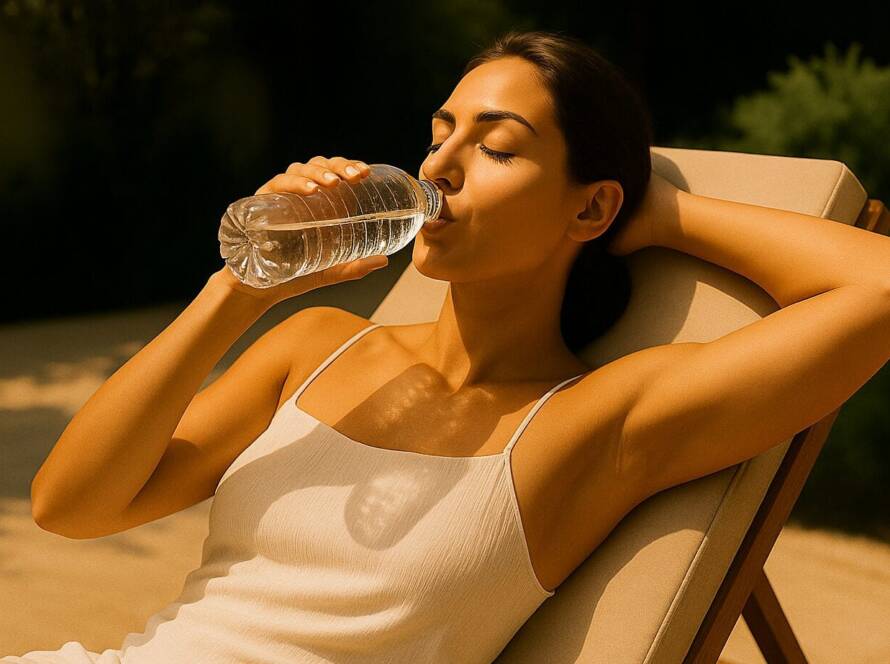
Hydration status reflects the balance between water intake and loss. In summer, with higher temperatures, sun exposure and outdoor activities, the body loses water and minerals through perspiration. If you sweat excessively and if the volume of this water loss is not replenished, making hydration possible, you run the risk of dehydration. Water is our main nutrient and also the main constituent of cells. Minerals ensure cellular dynamics. Thus, a dehydrated person may suffer from reduced vitality, tiredness and mood swings. Therefore, drinking more water than usual in the summer, during the vacations, or during outdoor sports or professional activities, is essential to ensure well-being and health.


Signs of Dehydration and Impact on the Body
In summer, changes in hydration occur throughout the day, affecting physiological and behavioral functions. Dehydration, caused by a lack of fluid intake throughout the day and particularly when the temperature or physical activity increases, can be responsible for symptoms such as dizziness, headaches and tiredness, as well as affecting the ability to concentrate, pay attention and remember, and can lead to mood swings such as irritability. If dehydration is prolonged, it can be visible on the skin, which will appear drier.
The groups most vulnerable to dehydration are: those who are dependent on the care of others, such as children or people with physical or cognitive dependency; the elderly, because they tend to be less sensitive to fluid loss and don’t feel thirsty; and athletes, because practicing sports at high temperatures requires greater hydration to compensate for excessive perspiration.


.
Practical Tips for Staying Hydrated on Hot Days
We are essentially made up of water, which is why it is essential for life. Water is the main constituent of cells, serves as a means of transporting nutrients and is involved in all the body’s metabolic reactions. Not drinking enough water makes it more difficult to regulate body temperature and for organs to function normally. Approximately 20% of our hydration comes from solid foods and 80% from drinking water and other beverages. So this summer you can also hydrate yourself by consuming water-rich fruit and vegetables – watermelon, cantaloupe, orange, pineapple, plum, cucumber, tomato, raw vegetables, among others. The consumption of alcoholic drinks and soft drinks should be avoided or reduced, because the former dehydrate you and soft drinks, due to their sugar content and other harmful chemical constituents, hydrate you very little, as well as giving you the false belief that you’re hydrated because you’ve had a lot to drink, discouraging the essential consumption of water.
This vacation, create a healthy routine of drinking enough water – define the amount to drink each day and commit to drinking it. Always take water in a reusable, health-safe bottle, i.e. without BPA (bisphenol A – a substance found in flexible plastic bottles, unless they are marked “BPA free”). And choose to drink pure water, free of chlorine and other harmful chemicals present in domestic drinking water.


Water Quality Counts Too: Why Prefer Pure Water or Hydrogewater?
When we think of hydration, we think of drinking water. The truth is that each water has its own characteristics and some waters are much better than others, because they all carry substances that are invisible to our eyes. Tap water complies with legal regulations and is therefore drinkable, but it may have
Bottled water has a strong chlorine taste and carries numerous chemicals (from the treatment process and those already in the water before it was collected) and heavy metals which, despite being in very low concentrations, are deposited in our bodies. Bottled water, whether spring water or mineral water, has only minerals in its composition (so it doesn’t carry any undesirable substances), tastes good and isn’t subjected to chemical treatments. The disadvantages are that they are packaged in flexible plastic bottles (with BPA), are expensive and leave a substantial ecological footprint.
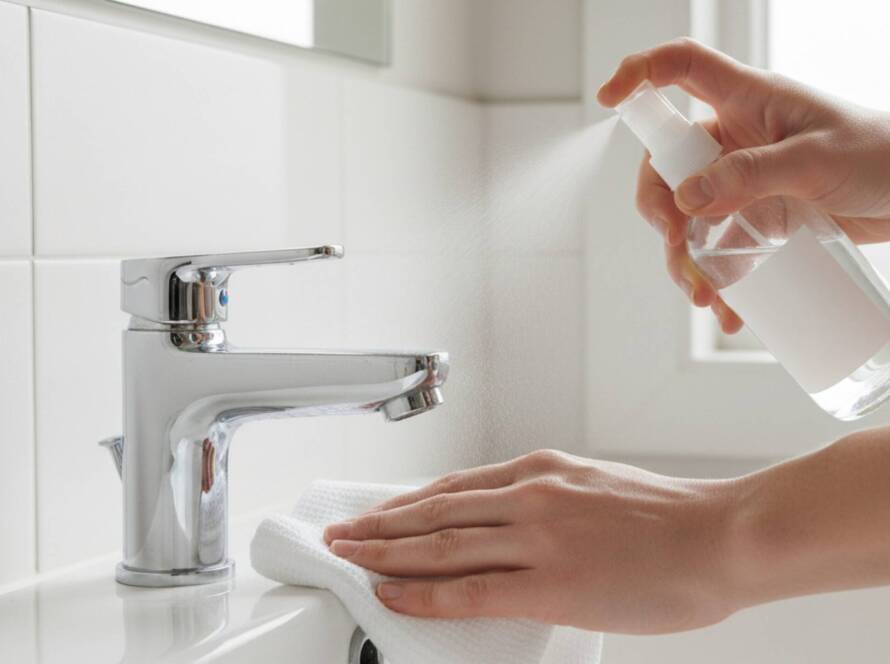
Hydrogenated water is “pure water”, without chemicals, purified by the most efficient filtering system – reverse osmosis, it is light and has a pleasant taste. It is produced by a hydrogenator and has unparalleled therapeutic properties [link to article on the subject]. In the context of vacations and summer, the following stand out: deeper and more sustained hydration (cells stay hydrated for longer), increased vitality, immune and hormonal support, liver support (minimizing the damage caused by alcohol consumption), mood regulation, and combating the excess of free radicals to which the body is subjected by prolonged sun exposure, sunburn and providing support for sportspeople. It can also be used (in a spray bottle) to spray the skin after sun exposure, acting as a balm due to its topical anti-oxidant and soothing action. Due to its high concentration of molecular hydrogen, it is a therapeutic water and an excellent therapeutic adjunct for chronic diseases and cancer.


On the Move? A Practical Solution to Have Hydrogenated Water Anywhere You Want
During the vacations, access to quality water can be limited and, when you value quality first and foremost and, secondly and thirdly, low environmental impact and a fair cost, your first choice may be to drink hydrogenated water obtained from a portable hydrogenator. This is an excellent option for those who want to ensure good hydration and maintain healthy habits in the summer, as they will continue to consume pure water with properties that regulate cellular processes and are effective against oxidative stress. A compact, portable hydrogenator allows you to prepare hydrogenated water easily and without complications and, as well as taking it on vacation, it can be used at your workplace or with you when you travel.
An excellent option for a portable hydrogenator is the Zenith Office.


Conclusion
Our body is our main companion, so we need to take good care of it to ensure our health, vitality and well-being. In summer, whether we’re on vacation or not, the heat requires us to pay more attention to our hydration status, due to the physiological stress the body is under from the high temperatures.
Creating and maintaining a routine of drinking more water, defining at the beginning of the day the amount of water to drink, depending on the day’s activities, and sticking to it, is fundamental. In a few days, the routine becomes a habit and is easy to maintain.
Remember that not all water is the same in terms of its composition and the materials dissolved in it, some of which are harmful. So choose pure water and, if possible, pure hydrogenated water, since its action is therapeutic, and take it with you wherever you go, carrying it in “BPA free” bottles.
Make Hydration a Priority in Your Summer!
Bibliography
– BRITO, I. D. S., BRITO, C., FABRINI, S., & MARINS, J. (2005). Hydration. October 2005. https://biblat.unam.mx/hevila/Fitnessperformancejournal/2006/vol5/no1/3.pdf
– Padrão, P., Lopes, A., Lima, R. M., Graça, P., & Pereira, F. (2014). Adequate hydration in the school environment. Lisbon: Directorate-General for Health. https://nutrimento.pt/wp-content/uploads/2014/11/Hidrata%C3%A7%C3%A3o-em-Meio-Escolar_impress%C3%A3o.pdf
– Malisova O, Athanasatou A, Pepa A, Husemann M, Domnik K, Braun H, Mora-Rodriguez R, Ortega JF, Fernandez-Elias VE, Kapsokefalou M. Water Intake and Hydration Indices in Healthy European Adults: The European Hydration Research Study (EHRS). Nutrients. 2016 Apr 6;8(4):204. doi: 10.3390/nu8040204
– Ge L, Yang M, Yang NN, Yin XX, Song WG. (2017). Molecular hydrogen: a preventive and therapeutic medical gas for various diseases. Oncotarget. 8(60):102653-102673. doi: 10.18632/oncotarget.21130
– Ohta, S. (2012) Chapter Fifteen – Molecular Hydrogen as a NovelAntioxidant: Overview of the Advantages of Hydrogen forMedical Applications. Biochimica et Biophysica Acta (BBA) – General Subjects. 1820(5), 586-594. doi: 10.1016/bs.mie.2014.11.038
– Ohsawa, I., Ishikawa, M., Takahashi, K., Watanabe, M., Nishimaki, K., Yamagata, K., … & Ohta, S. (2007). Hydrogen acts as a therapeutic antioxidant by selectively reducing cytotoxic oxygen radicals. Nature medicine, 13(6), 688-694. doi: 10.1038/nm1577